Writing Has Always Been the Way I Think
I’ve never written because I enjoy hearing my own opinions. I write because putting words on a page forces me to examine my assumptions, challenge my reasoning, and sometimes change my mind. It’s how I think.
Books, ideas, and perspectives that changed how I see the world.
I’ve never written because I enjoy hearing my own opinions. I write because putting words on a page forces me to examine my assumptions, challenge my reasoning, and sometimes change my mind. It’s how I think.
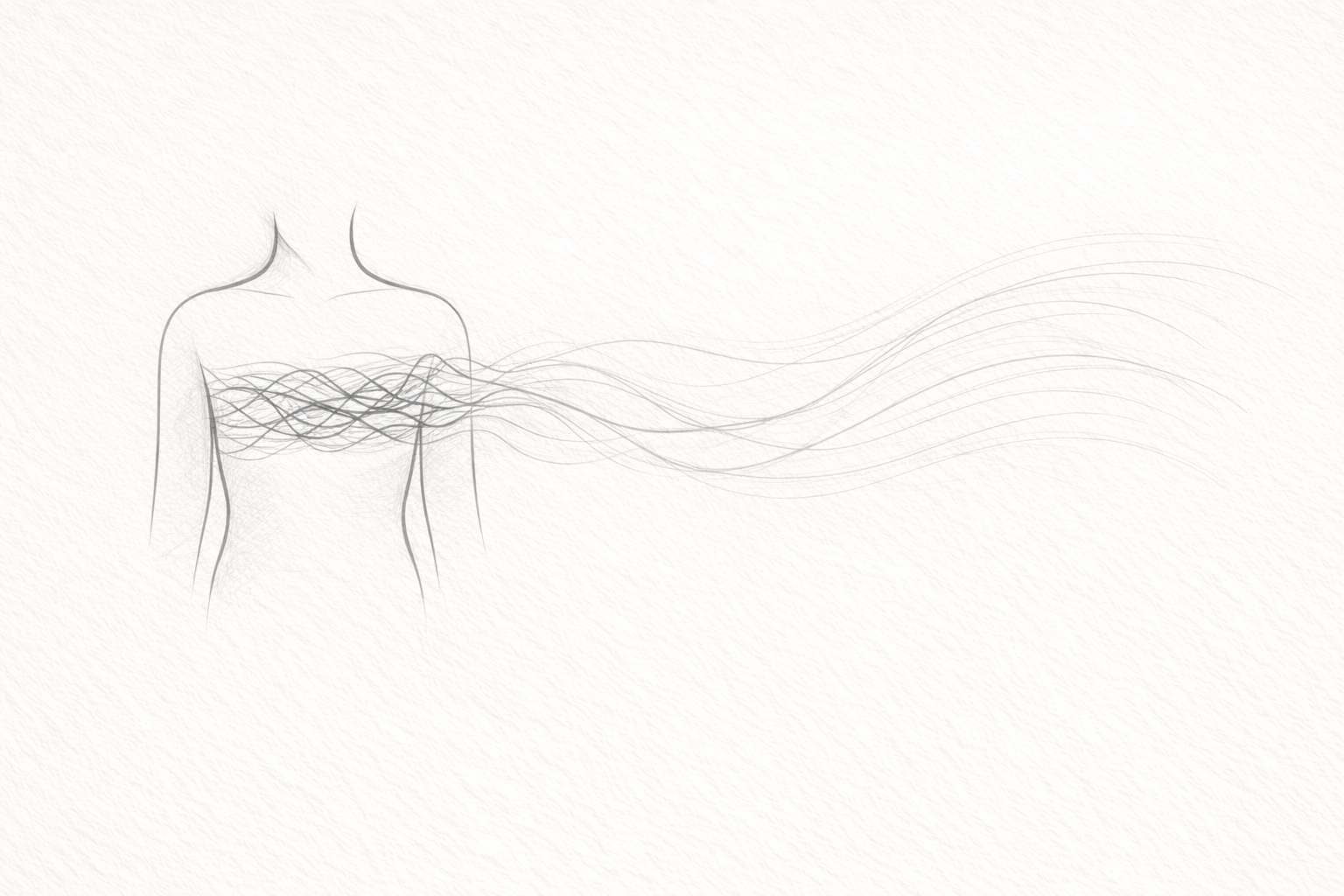
When I first read The Body Keeps the Score by Bessel van der Kolk, I expected a clinical discussion on trauma. What I found instead was a profound reminder that trauma is not just psychological, it lives in the body, shaping our nervous system, breath, and sense of safety.
Years before reading it, I was diagnosed with lung cancer. While medicine addressed the condition, I had to confront something deeper: unprocessed grief I had carried silently for years. My body had been holding what my mind could not.
This reflection explores how trauma is stored in the body, why talk alone isn’t enough for healing, and how safety, community, and embodied practices help the nervous system relearn trust.
Healing is not mystical. It is physiological, relational, and deeply human.
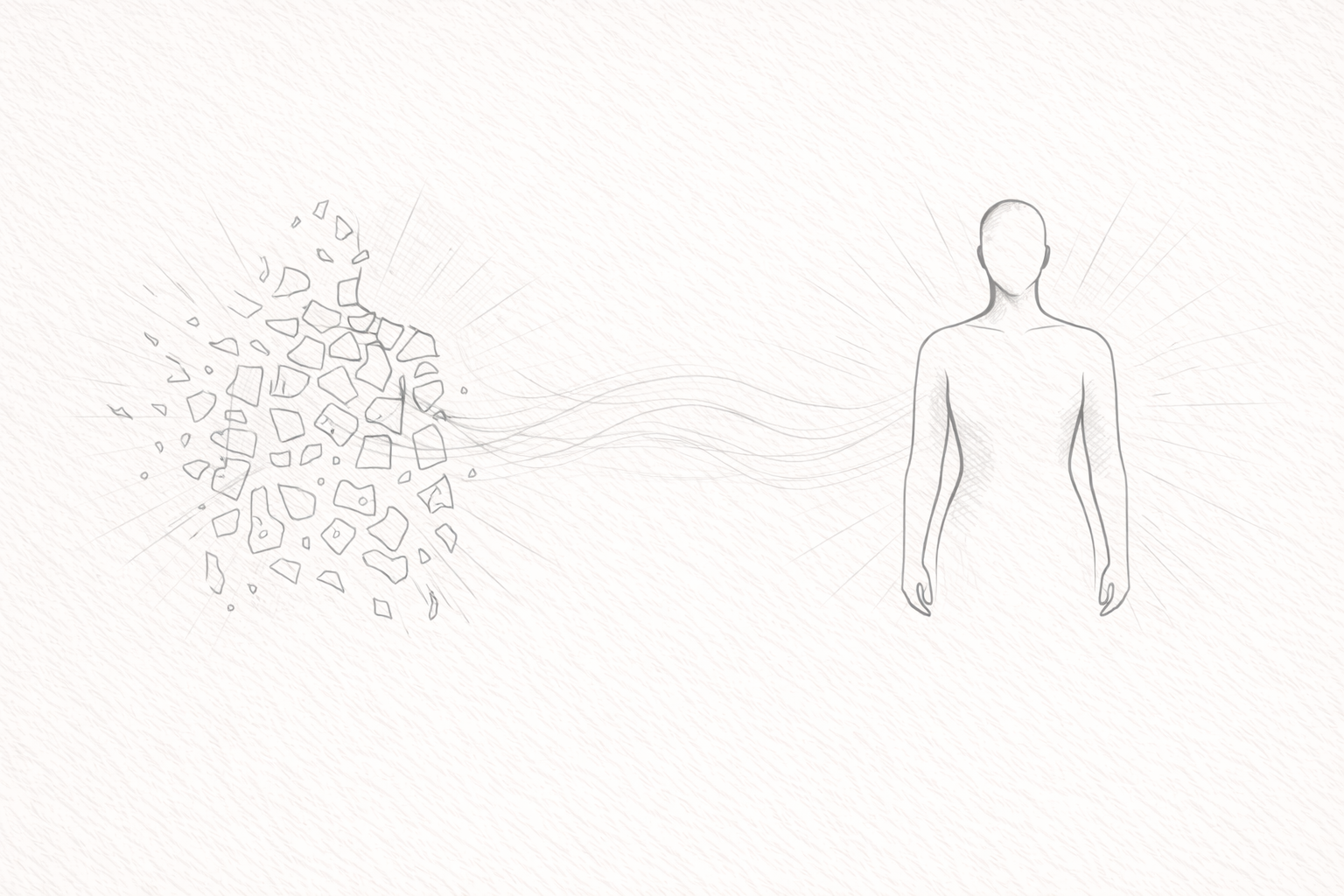
A reflection on A Million Little Pieces and what addiction, shame, and messy recovery teach us about resilience and rebuilding.
A reflection on Viktor Frankl’s Man’s Search for Meaning and how trauma, lung cancer, and childhood dysfunction reshaped my understanding of purpose.
A reflection on Jodi Picoult’s Nineteen Minutes and what fiction teaches about bullying, compassion, silence, and moral complexity.
A reflection on When Breath Becomes Air, lung cancer, mortality, identity, and what it means to live fully before time runs out.
A reflection on The Untethered Soul by Michael A. Singer, meditation, letting go, and discovering you are not your thoughts but the awareness behind them.
Before Crystolight, before astrology and tarot, there were books.
Reading was my first safe space, a refuge when the world around me felt chaotic or unstable. Through childhood, grief, illness, and constant transitions, books gave me language for what I couldn’t yet articulate. They offered perspective, resilience, and the reminder that there were other ways to live and think.
This series explores the books that healed me: from self-help titles that provided practical frameworks for growth to fiction that cultivated empathy and emotional depth. These weren’t passive reads. They reshaped how I understand pain, responsibility, love, and healing.
If you’ve ever turned to reading during a difficult season, you’ll understand: sometimes stories don’t just entertain us. They steady us.