Reflections on Meaning, Discernment & Becoming
Identity & Growth
Identity & Growth

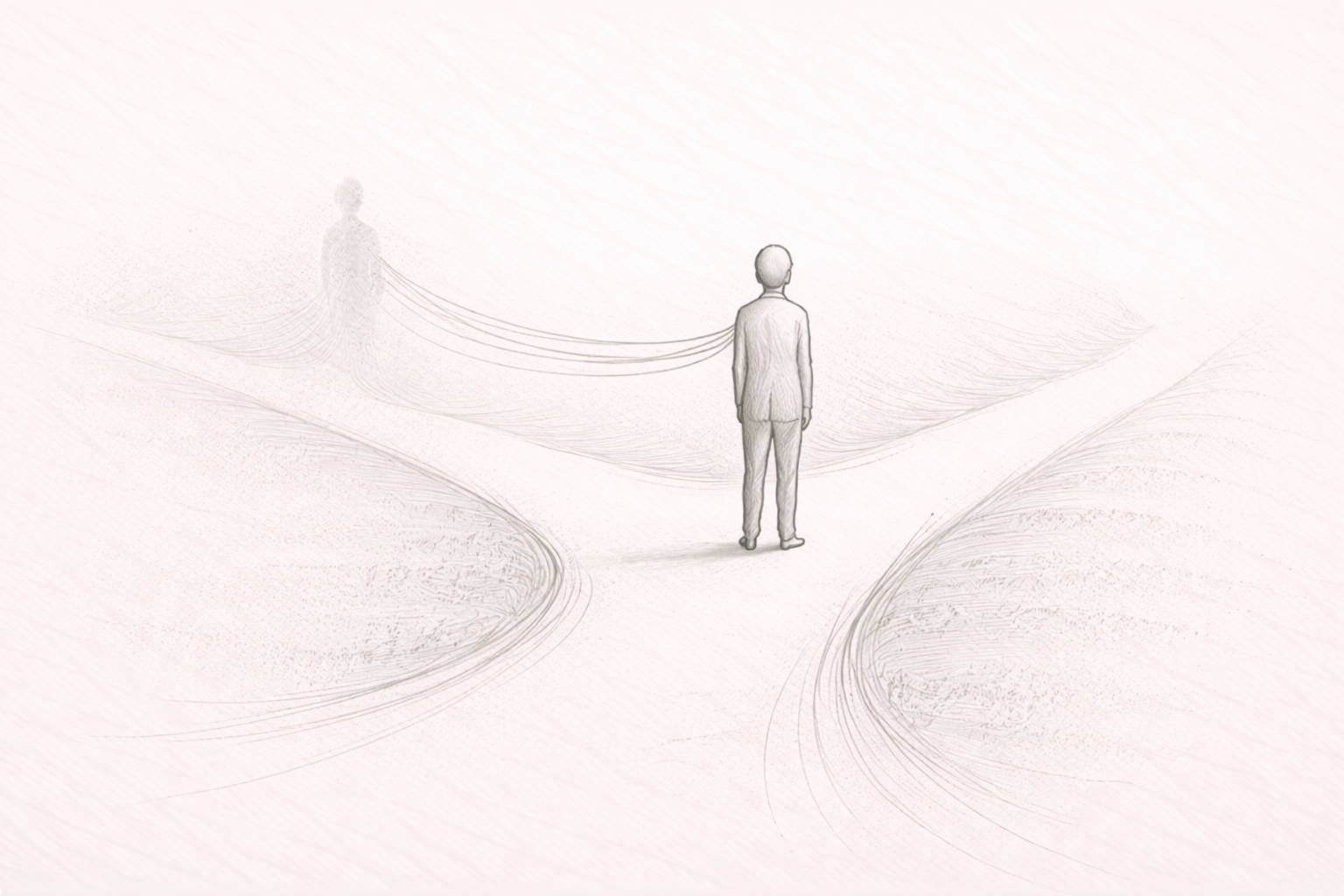
When Wisdom Asks Us to Revisit an Old Conclusion

For a long time, I believed wisdom was mostly about knowing when to establish boundaries. My wedding reminded me that wisdom also requires us to recognise when new evidence deserves a new conclusion, while remaining faithful to the values and boundaries that protected us in the first place.

People Can Only See the Vision After You Build It

Sometimes the hardest part of creating something isn’t the execution. It’s having the courage to hold onto a vision that nobody else can see yet. My wedding reminded me that people can only evaluate what’s in front of them, while you’re making decisions based on a finished picture that still exists only in your mind.

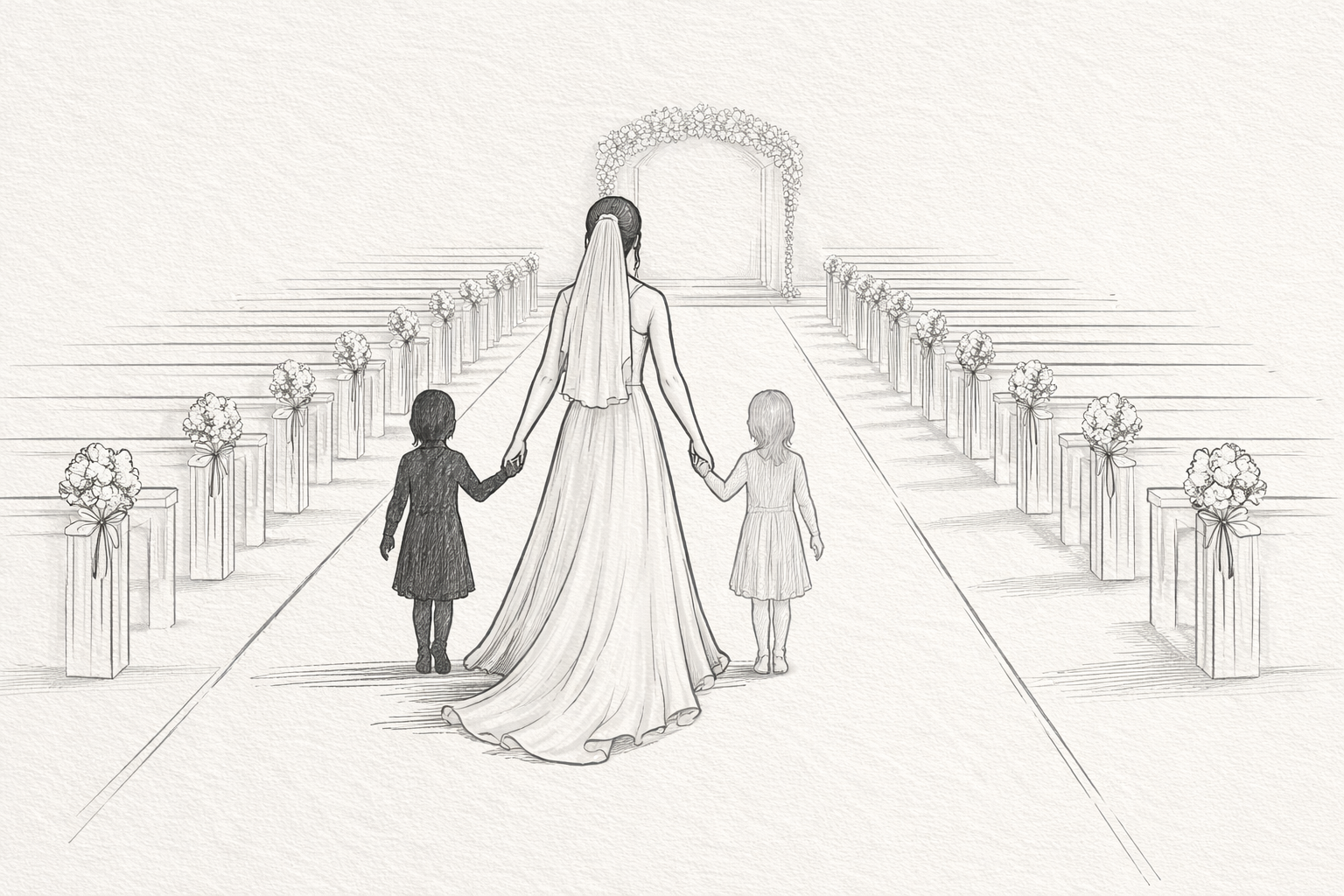
When You’re Excited for the Marriage, But Tired of the Wedding

Weddings are often framed as the beginning of a life. At 38, mine feels more like a milestone within a life that is already well underway. This is a reflection on wedding planning, mental bandwidth, and the surprising realisation that what I’m most looking forward to is having my time and attention back.

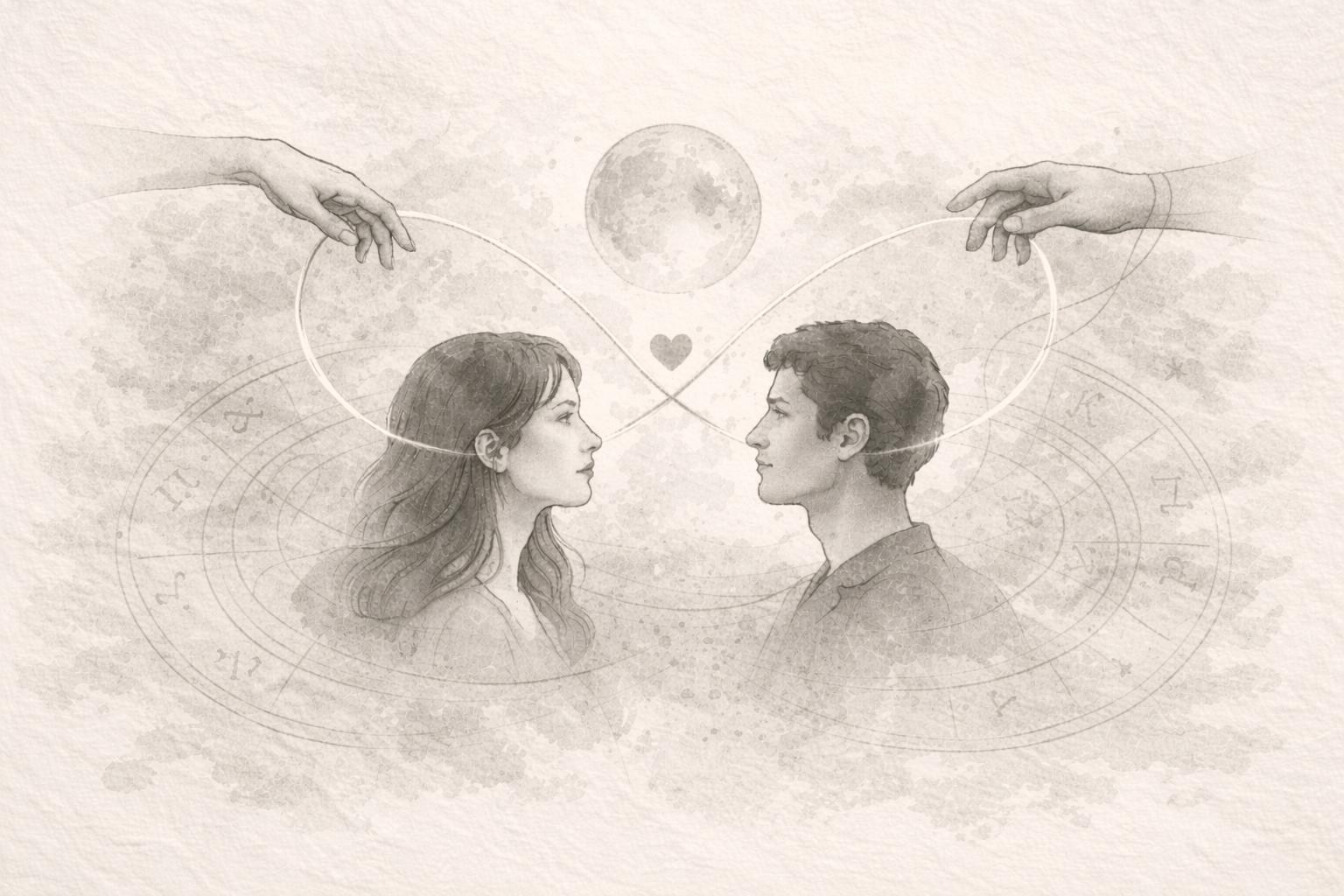
Why Some People Feel “Fated” to Us

Some connections feel disproportionate to the timeline. You haven’t known the person long, yet the emotional weight feels heavy, familiar, hard to ignore. We often call that fate. But sometimes what feels destined is simply recognition; of patterns, of longing, of unfinished parts of ourselves. This is a reflection on why certain people feel “fated,” and why intensity doesn’t always mean permanence.

What Is a Memento Mori Calendar? A Life-Changing Practice in Facing Mortality

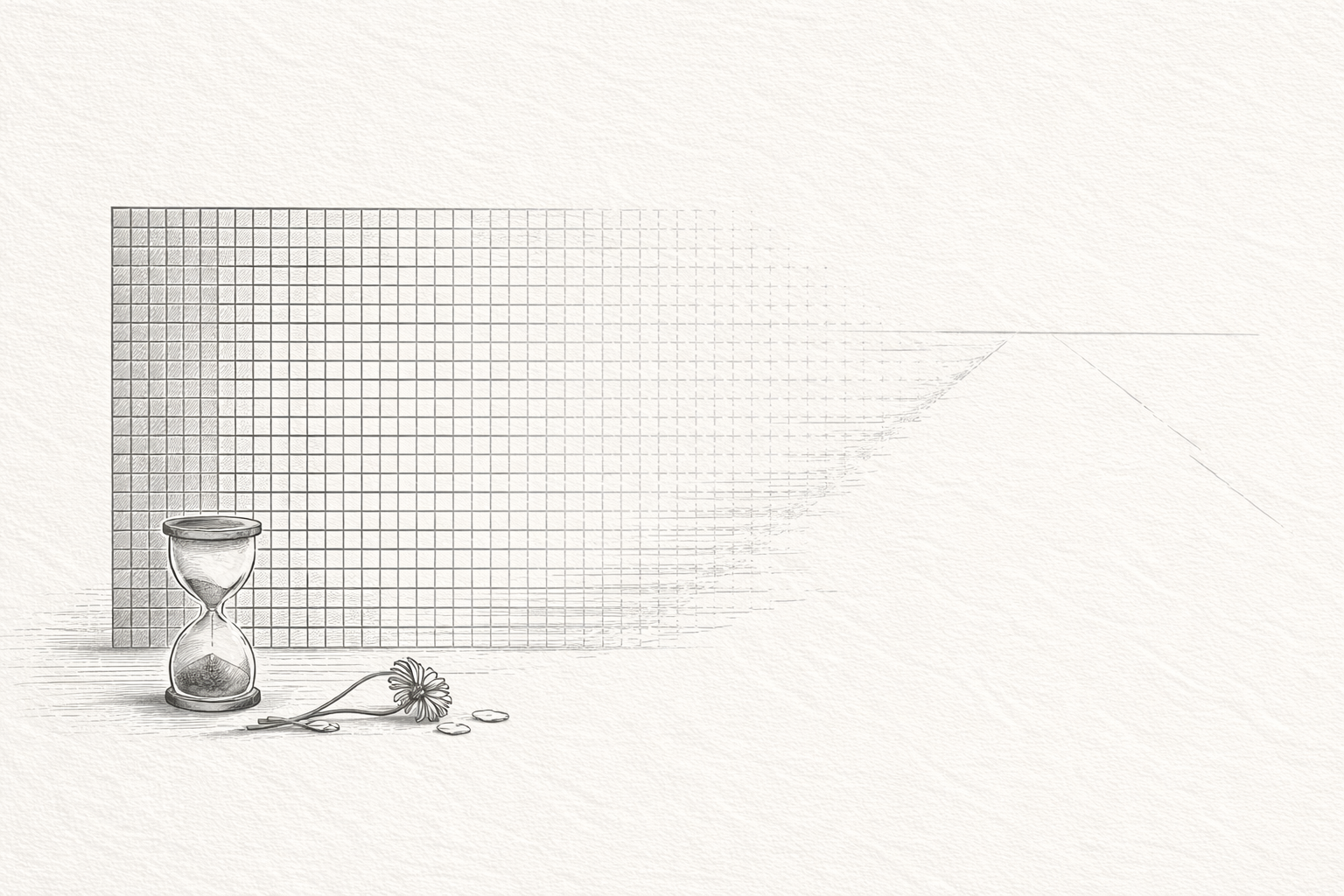
In 2020, I started using a memento mori calendar, a grid that represents every week of an average human life. What many see as morbid, I’ve found to be deeply life-affirming. In this reflection, I explore how tracking my life in weeks has reshaped my relationship with time, mortality, Stoicism, and intentional living.

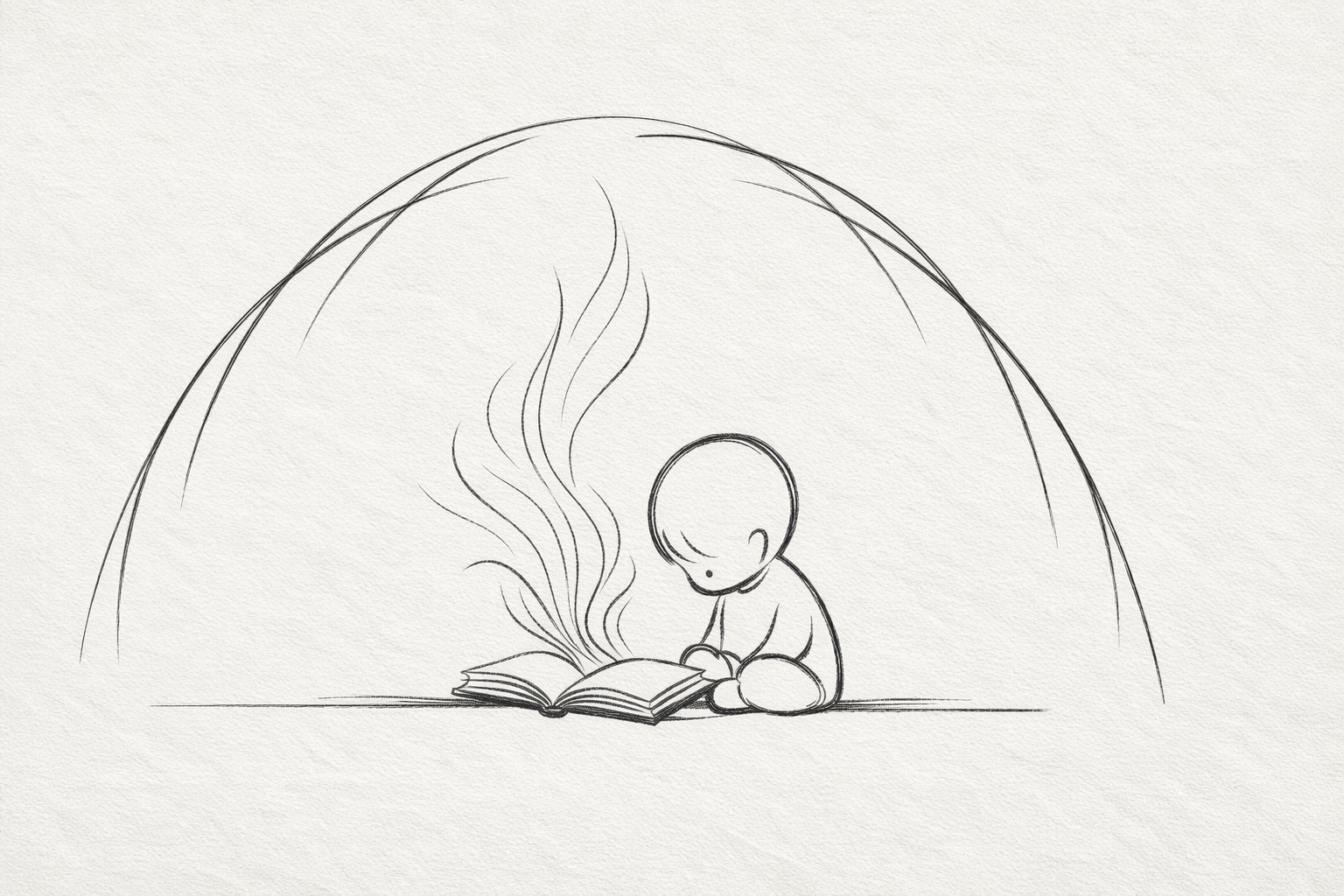
The Kind of Father That’s Hard to Explain

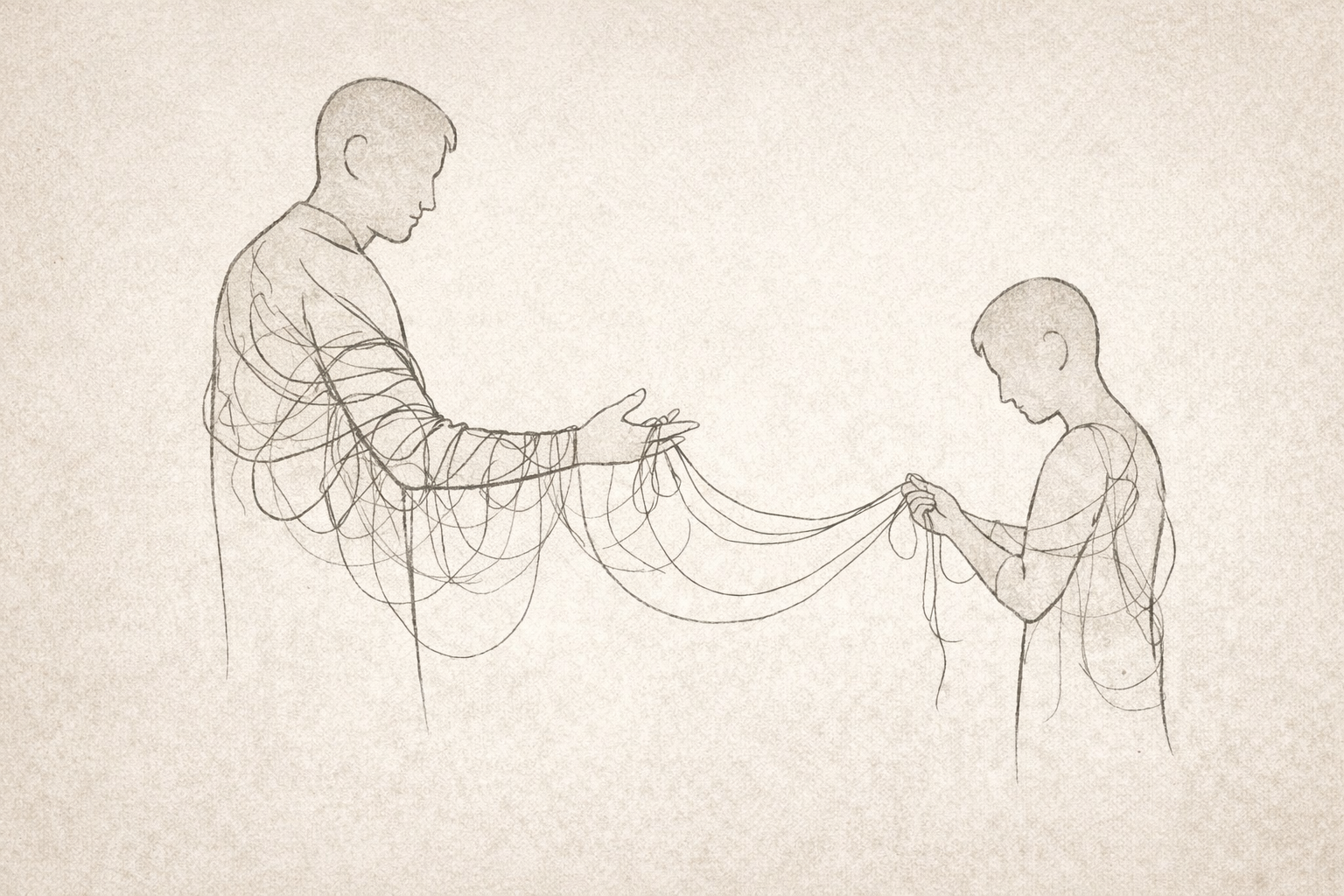
What does it look like to grow up with a manipulative father who isn’t visibly abusive, but is quietly controlling? In this deeply personal reflection, I share what it means to be raised in financial comfort yet emotionally unsafe, and why reconnecting with a powerful, persuasive parent is far more complicated than it seems. This is a story about intellectual control, conditional love, family dynamics, and the courage it takes to set boundaries with toxic parents, even when they frame it as legacy, inheritance, or care. Sometimes, the hardest truth to face is that you were never just the child, you were the extension, the solution, the chess piece. And healing begins when you stop romanticising the perfect parent-child relationship and start choosing self-preservation instead.