life
life

When Wedding Excitement Doesn’t Come

As my wedding approaches, I find myself feeling something quieter than excitement. After witnessing enough grand weddings and enough marriages that did not last, I’ve come to realise that a wedding is very good at performing permanence. Marriage itself is built elsewhere, in ordinary days, difficult conversations, and the steady choice to keep showing up for each other.

Why Some People Feel “Fated” to Us

Some connections feel disproportionate to the timeline. You haven’t known the person long, yet the emotional weight feels heavy, familiar, hard to ignore. We often call that fate. But sometimes what feels destined is simply recognition; of patterns, of longing, of unfinished parts of ourselves. This is a reflection on why certain people feel “fated,” and why intensity doesn’t always mean permanence.

What Is a Memento Mori Calendar? A Life-Changing Practice in Facing Mortality

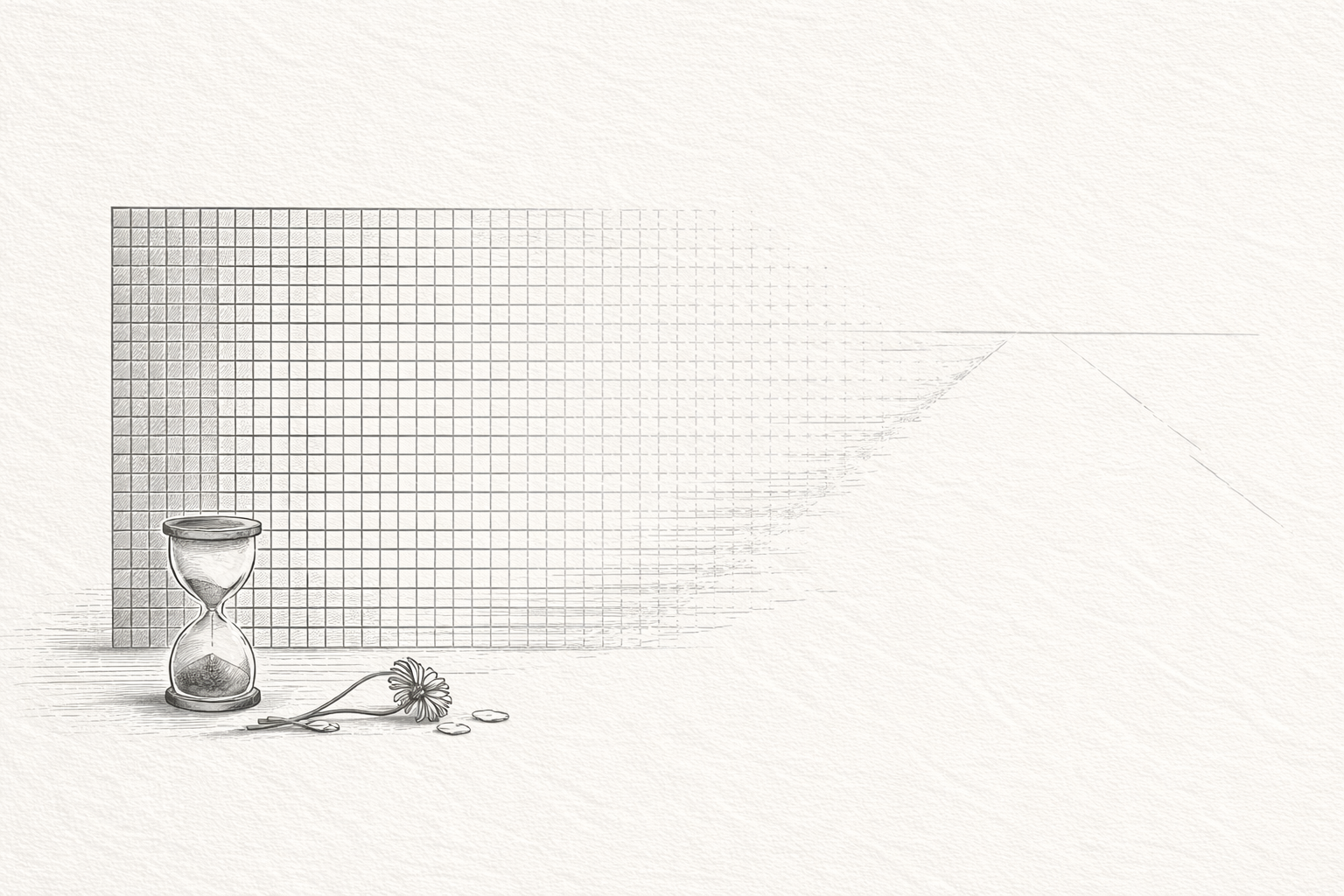
In 2020, I started using a memento mori calendar, a grid that represents every week of an average human life. What many see as morbid, I’ve found to be deeply life-affirming. In this reflection, I explore how tracking my life in weeks has reshaped my relationship with time, mortality, Stoicism, and intentional living.

Do Traditions Serve Us, or Do We Serve Them?

As I prepare for my upcoming house move, I’ve found myself questioning the traditions people say we “must” follow. From rolling pineapples to turning on every light, many housewarming rituals are repeated without explanation, rooted more in fear than meaning. In this reflection, I explore the difference between superstition and intention, and how we can reclaim traditions so they serve us instead of controlling us.

The Body Keeps the Score Review: Trauma, Nervous System Healing, and My Journey Through Cancer

When I first read The Body Keeps the Score by Bessel van der Kolk, I expected a clinical discussion on trauma. What I found instead was a profound reminder that trauma is not just psychological, it lives in the body, shaping our nervous system, breath, and sense of safety.

Years before reading it, I was diagnosed with lung cancer. While medicine addressed the condition, I had to confront something deeper: unprocessed grief I had carried silently for years. My body had been holding what my mind could not.

This reflection explores how trauma is stored in the body, why talk alone isn’t enough for healing, and how safety, community, and embodied practices help the nervous system relearn trust.

Healing is not mystical. It is physiological, relational, and deeply human.

Hellenistic vs Modern Astrology: Why Timing Matters More Than Personality

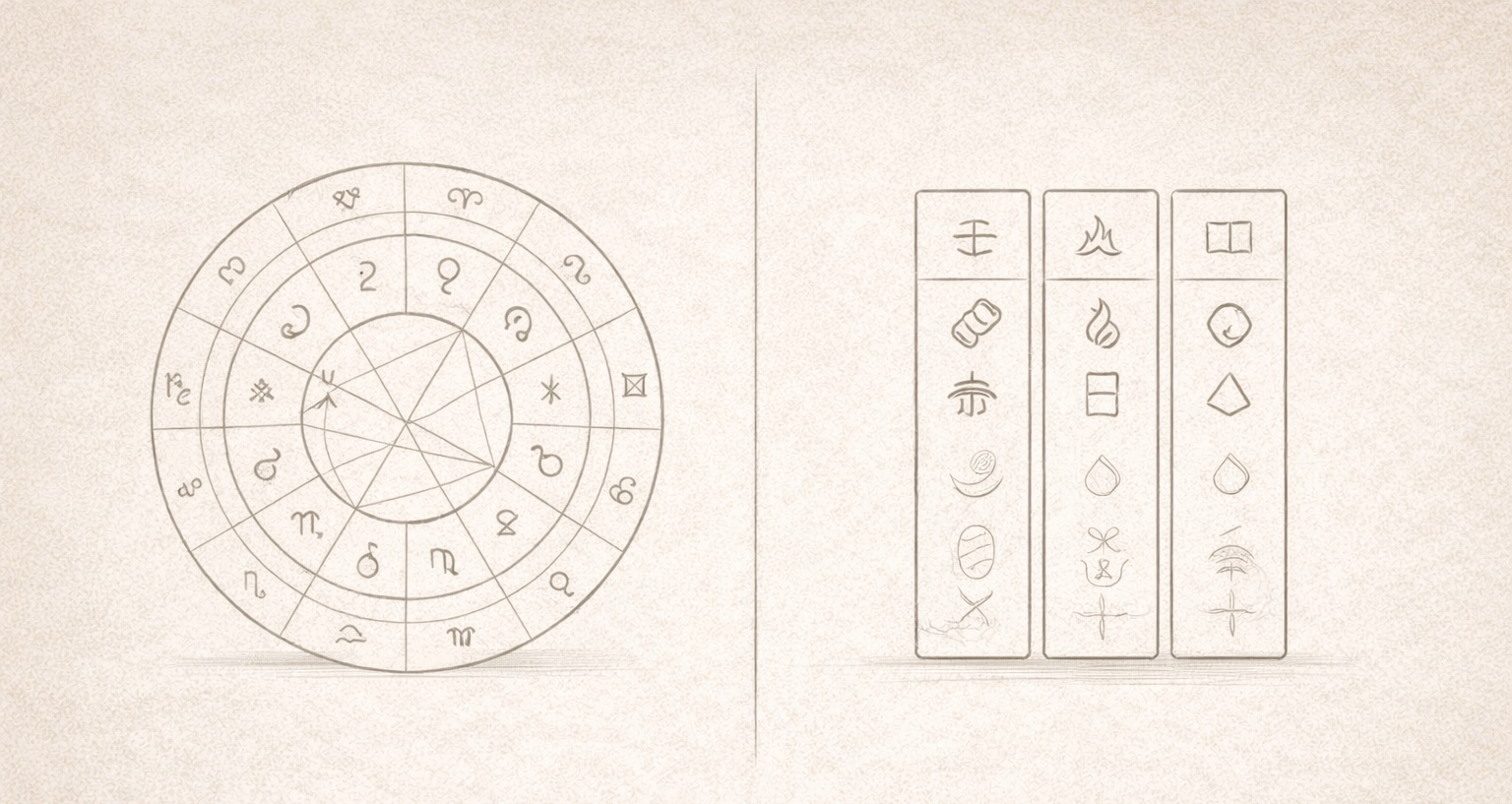
Most astrology focuses on personality traits. My approach focuses on recurring life patterns, timing, and why certain years feel harder or more decisive than others. Here’s why I use Hellenistic astrology and how it creates clearer, more practical readings.